

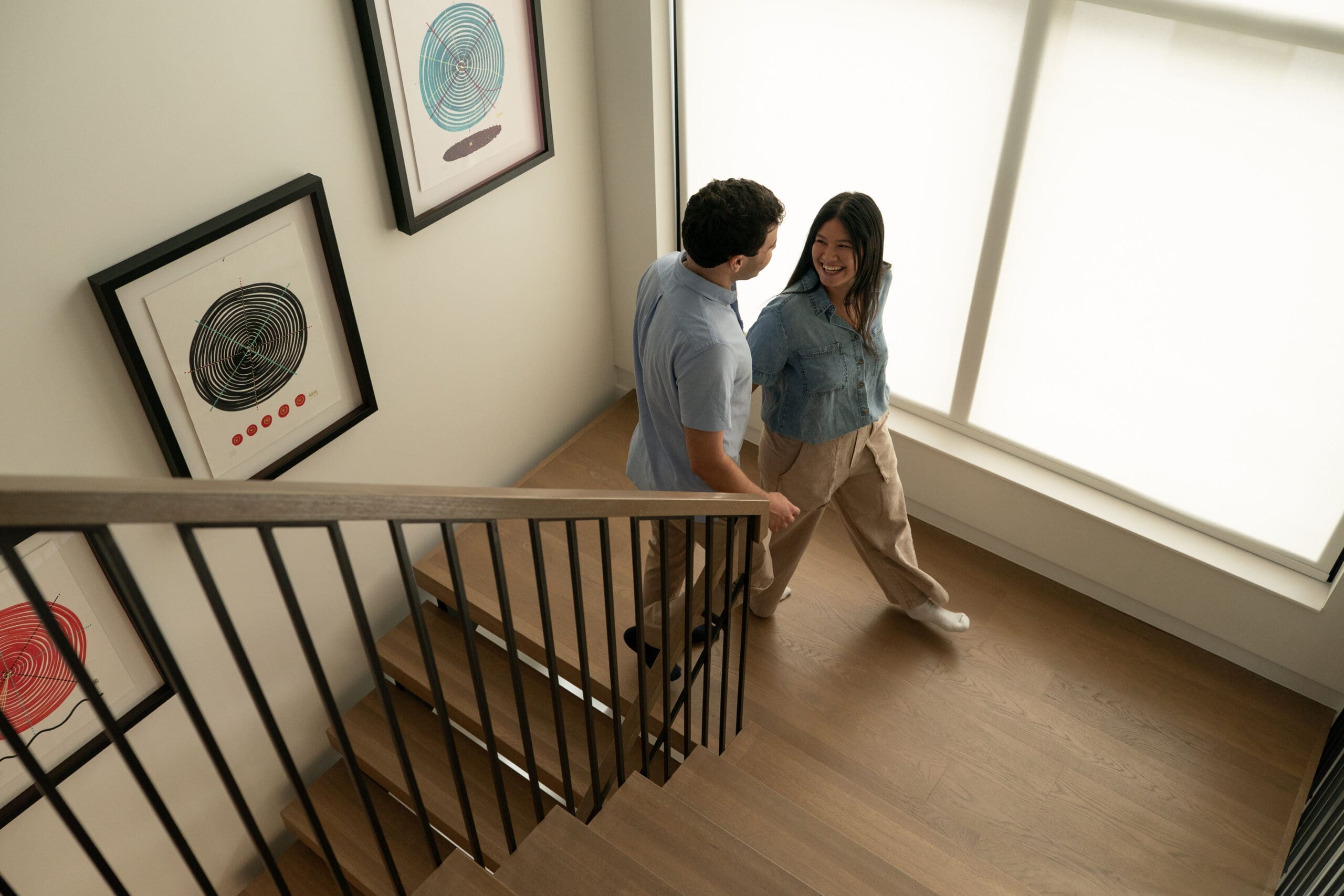
When people hear “Passive House,” they often think about energy efficiency, certifications, or building science. Those things matter. But they’re not always the reason most people choose to build this way.
At Bauen Build, we think of Passive House as a means to something much more tied to core human needs: a home that feels consistently comfortable, quiet, and healthy to live in every day.
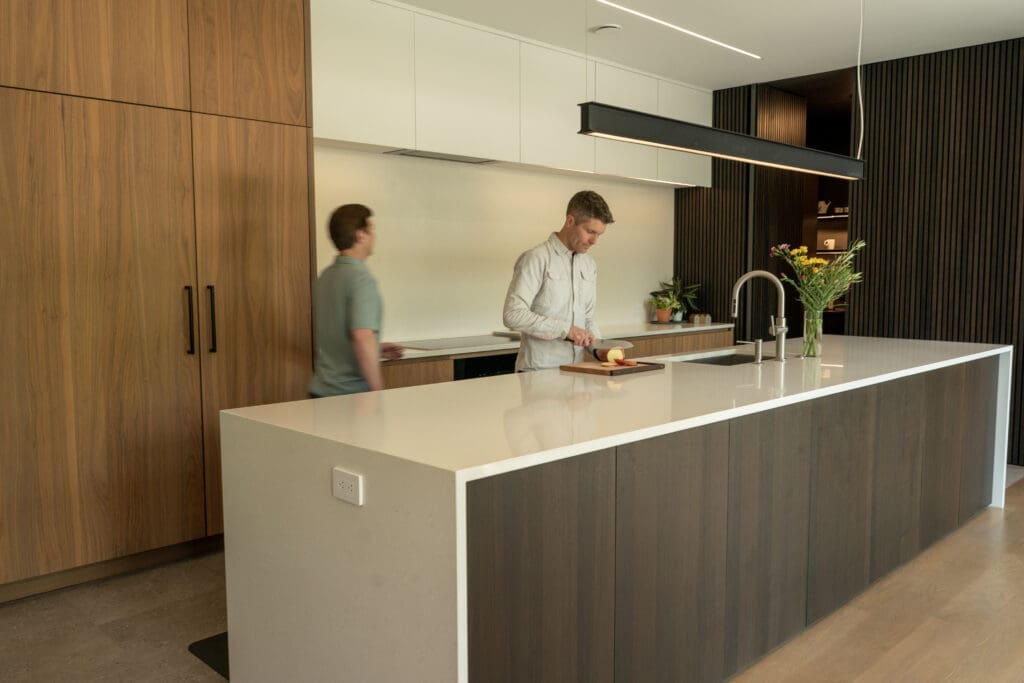
What Comfort Means in a Home
One description we’ve heard from people walking into a certified Passive House for the first time is that it feels like the house is giving you a hug. Our Operations Director, Michael Wilks, puts it this way: “You feel wrapped in this space, like a cozy blanket, where you can really just decompress.” It’s not a dramatic sensation. It’s more like the absence of things that usually bothers you.
Similar to good design, comfort is a combination of conditions that, when done right, disappear into the background.
A comfortable home has:
- Consistent temperature from room to room
- No cold spots near windows or drafts across the floor
- Clean, fresh air without lingering smells or pollutants
- Minimal noise from outside or between rooms
Over time, those small things add up. Better sleep, because the house is quiet. Fewer allergy symptoms, because the filtration system is working. More focus when you’re working from home, because the thermal environment is stable and distractions are minimized. It’s a general sense of ease that’s hard to articulate but hard to ignore once you’ve felt it.
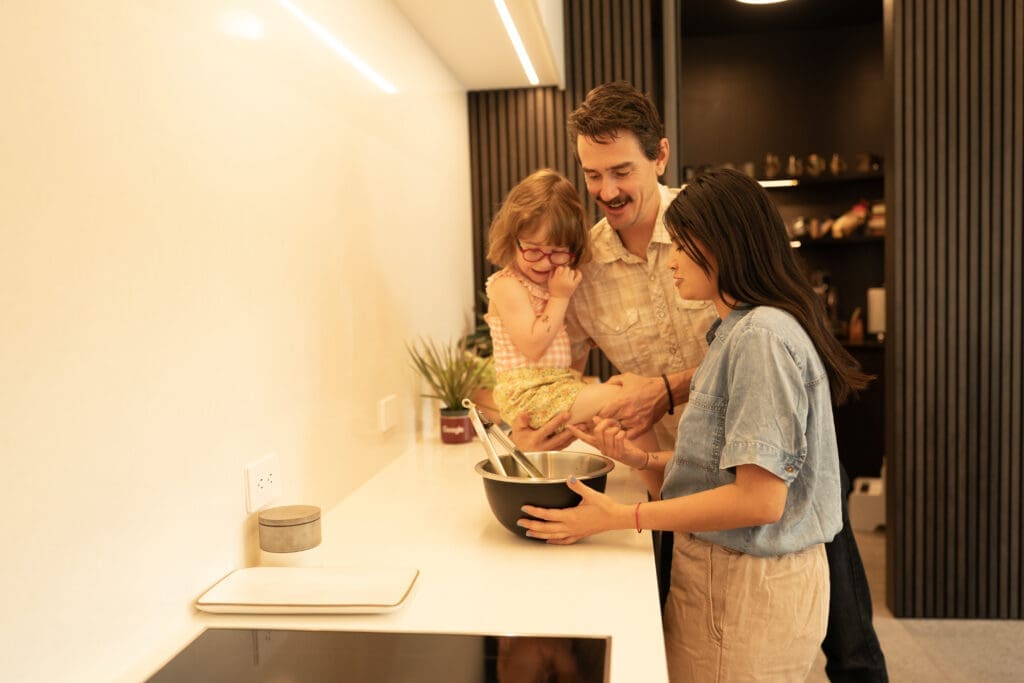
How Passive House Delivers That Experience
The Passive House Standard brings together a set of building principles that all drive towards this consistent comfort.
Airtight construction is one of the most important. By carefully sealing the building envelope, you eliminate drafts and prevent outside air, moisture, and noise from entering the home uncontrolled. That alone changes how a space feels.
Continuous insulation works alongside that airtightness to maintain stable interior temperatures. Instead of heat moving in and out through weak points in the structure, the entire home performs as one system.
Ventilation is handled intentionally through an Energy Recovery Ventilator (ERV), which continuously delivers 24/7 fresh, filtered air while exhausting stale air. The result is a constant supply of clean air without sacrificing comfort or efficiency.
High-performance windows, like triple-pane assemblies, eliminate the cold or hot zones you typically feel near glass. In a Passive House, sitting next to a window feels the same as sitting next to a wall.
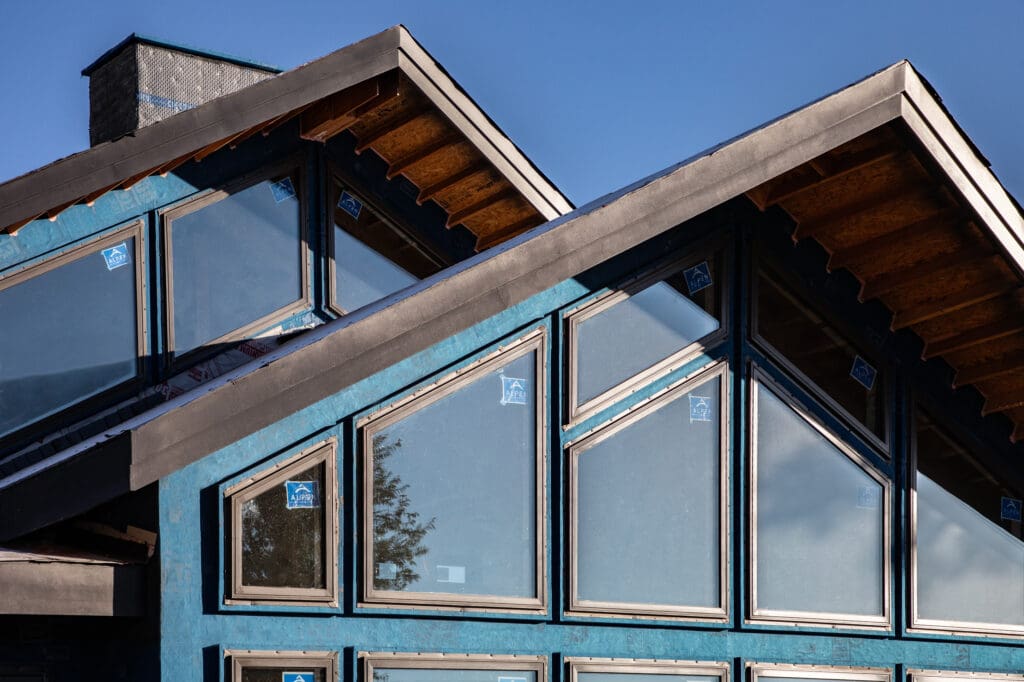
Even orientation plays a role. By considering how the sun interacts with the home throughout the year, we can capture heat in the winter and reduce it in the summer—further stabilizing the indoor environment.
A Better Way to Think About Building
You don’t need to pursue Passive House certification to care about comfort. But the standard provides a clear, proven framework for achieving it.
If you’re weighing what a high-performance home actually delivers, comfort is the place to start. It’s not the headline that gets the most attention, but for the people who live in these homes, it’s often the first thing they mention.

